 |
|||
Home -> Motorcycle Safety Tip -> Motorcycle Safety
|
|||
Sure, I took the Motorcycle Safety Foundation course, and learned how to ride a motorcycle from the pros. I learned the importance of wearing a properly fitted helmet that had not been dropped repeatedly; I learned why it's a good idea to wear boots, long pants, gloves and a jacket. I know about visibility and how far ahead to watch for turning cars and other dangers. I learned about how to go around a blind curve, how to accelerate onto a highway, how to ride at night. I learned all these things in theory. It was only through real experience that I learned some other important safety tips.
I have also learned from the experiences of other bikers.
Here Are My Safety Tips
1. If your bike has side bags, take those into consideration when attempting to maneuver your bike through tight spots (like between gas pumps) Side bags make the bike wider. (yes, I learned this through experience).
2. When riding on loose gravel, riding exceedingly slow is more dangerous (in terms of going down) than riding at a fairly normal speed.
3. When riding in mud, accelerate cautiously, and never, never do a hard brake. In fact, avoid the back brake completely. This tip also applies to riding in gravel)
4. Don't attempt to turn the bike around on the shoulder of a highway in order to make an exit.
5. Don't wear black leather, black jeans and ride a black bike at night. If you do, make sure that you take other steps to make sure that you are visible to the other vehicles on the road.
6. Make sure that your tires have sufficient tread, especially before a trip where you may not have motorcycle or tire shops near.
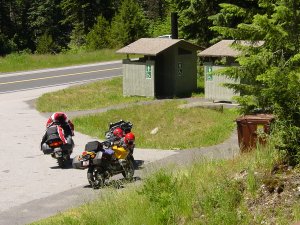
8. Always carry a tire repair kit with you, especially if you don't pay attention to #6, above.
9. Either wear a helmet, or invest in some really comprehensive long-term care insurance and disability insurance. (Yes, I understand this is a personal choice; this is just my opinion formed after watching my husband - a motorcycle safety freak - leave the bike at a high speed going around a turn-around in gravel.)
10. Use your turn signals.
11. Never, never, never pass another motorcyclist on the right. Just don't do it.
12. Don't ride someone on the back of the motorcycle unless you feel confident doing so.
13. The kickstand is there for a reason. Put it down before dismounting from your motorcycle. (I've seen men do this, too)
14. The center of the road approaching and leaving a toll booth is slippery; use caution.
15. The road is most slippery during the first five minutes of a rainstorm, especially in hot weather.
16. If you are entering a tunnel, in hot, rainy weather, and you're wearing sunglasses, be prepared to be blinded by the humidity. Take off the shades before entering the tunnel. Another motorcycle safety tip - as you see a tunnel approaching, shut one eye and count to 10 - your eyes will acclimate faster to the change in light)
Also - wearing Motorcycle Eyewear is one of the most important safety precautions you can take.
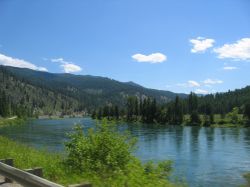
When riding in rural areas, be aware of livestock, and watch for cattle fences and grates, designed to keep animals in confined without the use of fences. Ride over these grates at a slight angle, as you would a railroad crossing.
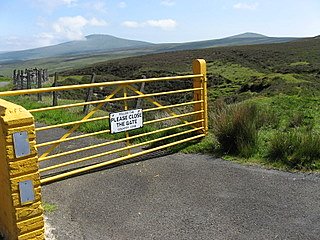
I Can Almost Let the Picture do the Talking for this Tip
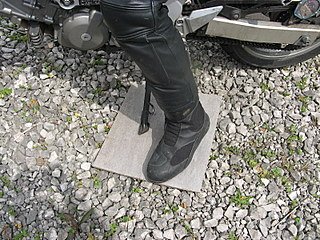
You'll need help to get the reinforcement under the stand, but it's better than finding your bike down after lunch.
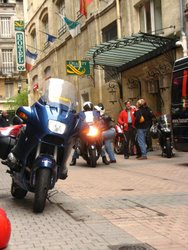
Despite Motorcycle Safety Precautions
Unfortunately, accidents can, and do, occur even if you take all available and recommended motorcycle safety measures, and wear appropriate protective clothing.Whether you're a daily rider or not, affordable health insurance is well advised and never a bad idea.
If you are involved in an accident, involving you and your motorcycle - either as a rider or a passenger - and are injured as a result, I strongly recommend that you seek the assistance of a lawyer. An attorney who is a specialist in personal injury cases, and in particular, accidents involving motorcycles would be your best choice.


